
Five crypto apps for beginners: costs and custody compared
Fee-free rarely means free of charge with crypto apps: between 0.15 and 2.49 percent per purchase lies a factor of ten. What five apps cost German beginners, who holds the coins and which app permits a transfer to your own wallet.


Which topics should we dive deeper into?
Select what genuinely interests you. Your picks feed directly into our editorial planning.
Crypto news that's actually worth your time.
Weekly. 60 seconds. Carefully curated by our editors: no hype, no promo flood, no spam.
Anyone in Germany buying bitcoin for the first time downloads an app and almost always pays more than they think. The visible part of the cost is usually small or absent altogether, because many providers advertise fee-free trading. The real price sits in the spread, and across the five apps in this comparison it ranges from 0.15 percent to 2.49 percent per purchase. On 100 euros that is 15 cents or 2.49 euros, and over a year of savings-plan instalments it becomes a difference of several dozen euros.
The second question matters even more for beginners and is asked less often: who owns the coins after the purchase, and can you get at them at all? An app that does not permit a transfer to your own wallet is selling you exposure to a price, not a cryptocurrency. This article sets both sides side by side, the costs and the custody, for five apps that German beginners use most often.
For this comparison, cryptoticker.io laid the published fee and price information of these five providers side by side on October 3, 2026: Bitvavo, Kraken, Bison, Bitpanda and Trade Republic. Five apps were examined and four points per app, namely the cost per purchase, the custodian, the transfer option and the regulatory authorisation. cryptoticker.io compiled this analysis itself on October 3, 2026.
What separates a crypto app from a crypto exchange
A crypto app is at first nothing more than an interface. What lies behind it determines the price and the rights you hold over your coins. Three constructions are common in the German market, and on screen they look almost identical.
With an exchange app you place an order into an order book in which other users form the other side. You pay a stated trading fee, usually split between maker and taker. Maker means your order first sits in the book and provides liquidity; taker means it is executed immediately against an order already there. Bitvavo and Kraken work this way.
With a broker app, by contrast, you buy directly from the provider, who quotes you a price. You often see no fee at all, but the buying price sits above and the selling price below the market price. Bison and Bitpanda follow this pattern in their main apps.
The third form is the neobroker, which places crypto alongside equities and ETFs in a securities account. Trade Republic belongs here, but since its wallet launch it actually holds the coins as crypto assets and not as a certificate. That is an important difference from providers carrying only crypto ETPs: there you buy a security tracking the price, and never a coin.
Spread instead of fee: where the costs in a crypto app really arise
Fee-free is rarely free of charge with crypto apps. Bison states expressly on its own fee page that trading is fee-free and that only a customary market spread applies. That spread is precisely the price.
What the spread is
The spread is the gap between the price at which you can buy and the price at which you could sell at the same moment. It is not debited; it is built into the quote. That is why it appears on no statement as a line item, and why beginners underestimate it so often.
In practice: you pay twice, once on the purchase and once on the sale. Professionals call it the round trip. A study from March 2026 put these total costs for buying and selling at 0.53 percent for Bitvavo at the low end and 6.45 percent for Coinbase at the high end. Between those two values lies a factor of twelve, on an identical product.
On top of that come costs with nothing to do with trading. Bison charges 2.49 percent for an instant deposit by credit card, Apple Pay or Google Pay, while the ordinary euro transfer remains free. At Bitpanda a PayPal deposit costs 1.49 percent, and the SEPA transfer nothing. Depositing conveniently may therefore cost you more for the payment route than for the purchase itself.
Five crypto apps on cost: 0.15 to 2.49 percent per purchase
The overview below summarises the published terms as of October 3, 2026. The values are list prices for retail clients without discounts; volume tiers lower them markedly at some providers.
| App | Cost per purchase | Custody | Transfer to your own wallet | Authorisation |
|---|---|---|---|---|
| Bitvavo | 0.15 percent maker, 0.25 percent taker; down to 0.04 percent on volume | Provider holds | possible | AFM Netherlands, since June 2025 |
| Kraken | 0.40 percent maker, 0.80 percent taker at the first tier; 1 percent on an instant buy in the app | Provider holds | possible | CSSF Luxembourg, Central Bank of Ireland |
| Bison | Spread averaging 1.25 percent on bitcoin and ethereum, 1.75 percent on all other coins | Börse Stuttgart Digital, insurance included | possible, with no provider fee | BaFin |
| Bitpanda | Mark-up of 0.99 percent on bitcoin and stablecoins, 1.49 percent on large coins, 2.49 percent on small ones | Provider holds | possible | BaFin and FMA Austria |
| Trade Republic | 1 euro order fee plus spread; the figures given for the spread range from about 0.5 to 2 percent | BitGo Europe GmbH, cold wallets | possible, with no provider fee | BaFin and Bundesbank, MiCAR authorisation |
On the range at Trade Republic, some context, because it stands out: the provider publishes no fixed spread for cryptocurrencies, and the available figures diverge. Around 0.5 percent on bitcoin is cited in one place and up to 2 percent in another. We are not smoothing that over; we name both ends. What applies in your case you will see only in the order screen, when the buying and selling prices are shown at the same time.

Why 100 euros buys different amounts of bitcoin across five apps
An example makes the range tangible. You buy bitcoin for 100 euros. At Bison's average spread of 1.25 percent, roughly 98.75 euros arrives in bitcoin and the rest stays with the provider. On an instant buy in the Kraken app at 1 percent it is roughly 99 euros. Through the same provider's exchange interface at 0.40 percent as a maker, roughly 99.60 euros remains.
As one-offs these are matters of cents, and arguing over them for a single purchase is not worth it. It becomes interesting with a savings plan. Invest 100 euros a month for twelve months and you pay roughly 15 euros in mark-up at 1.25 percent and roughly 4.80 euros at 0.40 percent. After five years there is a difference of a good 50 euros, without either side having delivered anything different.
This calculation has a limit you should know about: it treats the average spread as constant. In reality it fluctuates with market conditions, and on small coins it comes out differently in quiet phases than in hectic ones. An exact figure for your purchase comes only from the order screen at the moment of execution. How purchase costs and price performance relate to each other is set out in our overview of the bitcoin price.
 Crypto exchanges compared
Custody: who owns your coins inside the app
After the purchase your coins as a rule do not sit with you but with the provider. That is the normal case across all five apps and in itself no shortcoming, because that is exactly what the custody licence exists for. It does change who holds the key when it matters.
Custodian and insurance
Trade Republic names the custodian: the crypto assets sit with BitGo Europe GmbH in cold wallets, meaning on keys without a permanent network connection. Bison lists custody together with insurance cover against theft and hacking attacks, among other things, as a free service, without naming the custodian on its fee page.
Insurance cover is not a deposit guarantee scheme. For crypto assets the statutory deposit protection of 100,000 euros does not apply, because it covers bank balances in euros and not coins. Where a provider promises insurance, it is worth looking at what exactly is insured, with whom, and up to what amount. That is in the terms, not in the advertising.
In practice: as long as the coins sit with the provider, you share its default risk. How real that is was shown several times in 2026, from a breach at a large exchange in September through to incidents at intermediate layers. Anyone holding larger sums therefore spreads them or withdraws them.
Transfer to your own wallet: the question that counts before the first purchase
All five apps in this comparison permit a transfer to your own wallet. That is not a given, and at Trade Republic it is new: only with the wallet launch on November 14, 2025 did pure trading become an offering in which customers can send and receive around 50 cryptocurrencies. The provider charges no fee of its own for this; the network fee of the respective blockchain is borne by the customer.
Bison likewise lists cryptocurrency withdrawals as free, as well as deposits. These figures come from the Bison app's fee page, and the details on the wallet launch from Trade Republic's announcement of November 14, 2025.
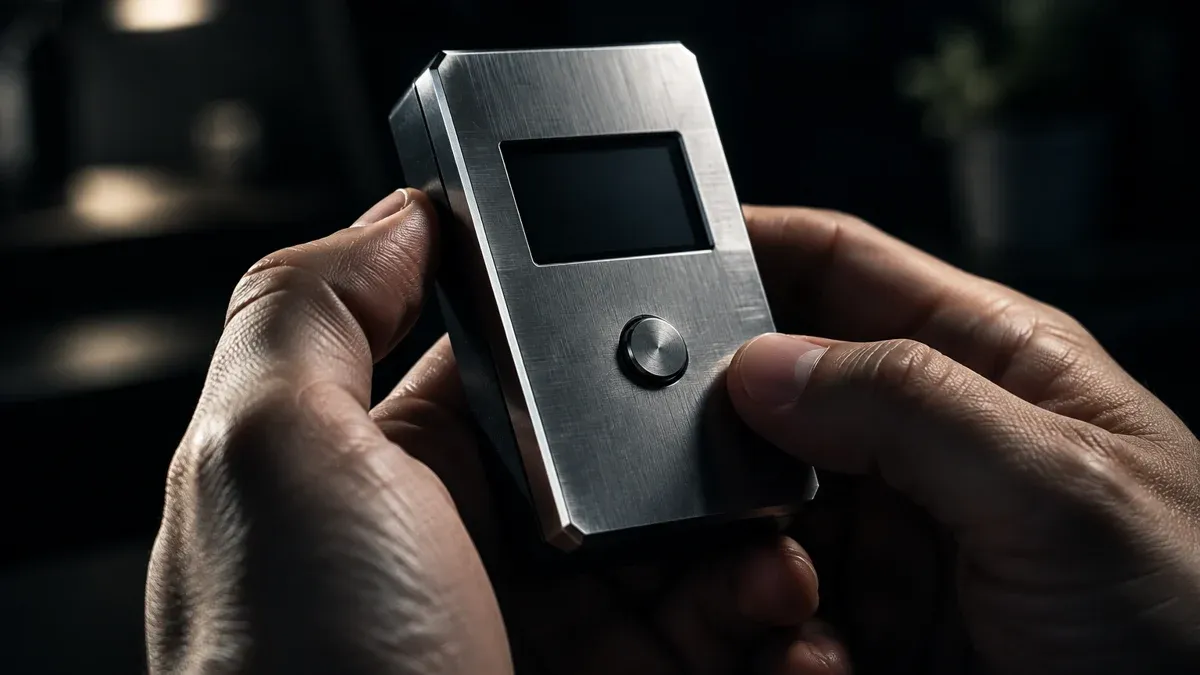
Why this matters before the first purchase: an app without a transfer function ties you to the provider. You can then only sell, not move. Anyone wanting to switch to self-custody later has to sell and buy again, and in Germany that is a taxable event. Which devices qualify for self-custody is then the next question, and it is better asked before the purchase than after.
MiCA authorisation: how to spot a permitted app in Germany
Since January 1, 2026, crypto-asset services may be offered in Germany only by those holding a BaFin authorisation or a valid notification. The EU-wide transition period ended on July 1, 2026. Since then the question of authorisation is no longer a formality but the dividing line between a provider allowed to operate here and one that is not.
The authorisation does not have to come from Germany. The procedure permits operating in all other member states on a licence from one EU country. Bitvavo is authorised through the Dutch AFM, Kraken through Luxembourg and Ireland, Bitpanda through BaFin and the Austrian FMA, and Bison and Trade Republic through BaFin. Germany leads the list of authorisations granted within the EU, with 56.
Two notes on this, because they are easily misunderstood. First, an authorisation says nothing about the price and nothing about the quality of an app; it says that a supervisor is looking. Second, the number of houses holding a full trading permission is small: across the EU, as at the July 2026 reference date, only 14 trading venues held one.
 Hardware wallets compared
Savings plan, minimum amount and staking: what beginners often overlook
Three points decide more in everyday use than the last tenth of a percentage point in the spread.
The savings plan is the first. It takes the question of the right entry moment off your hands and spreads the purchase over time. What matters here is whether the fee is charged as a percentage or as a flat amount: one euro of order fee on an instalment of 25 euros is four percent, on 250 euros it is 0.4 percent. Small instalments at a provider with a flat fee are therefore expensive, even where the figure looks small.
The second point is staking. Trade Republic offers it for networks such as Ethereum and Solana and points out that the coins are bound to the network while staked and cannot be sold. That is not an aside but the heart of the matter: stake, and you give up availability at any time. How much of the yield stays with the provider differs widely, and at Bison we put that share at 27 percent of the rewards in a separate piece on September 6, 2026, which you can read in our analysis of the Bison app.
The third point is rewards tied to payment activity. Trade Republic credits back two percent of card spending as Crypto Saveback, capped at up to 1,500 euros of monthly card spending. Such models only pay off if you use the card anyway; as a reason for choosing a crypto app they do not qualify.
Holding period and tax: the choice of app reaches into your tax return
In Germany the gain on a sale of cryptocurrencies has so far been tax-free after a year of holding. For the period, what counts is the acquisition date of the individual coin, and this is exactly where the app becomes a factor: you need an unbroken list of your purchases with date and quantity, otherwise the period cannot be evidenced later.
Which records an app supplies is therefore no convenience feature. Some providers make a ready annual statement available, others only an export of individual transactions that you have to work up yourself. Anyone using several apps in parallel needs a tool that brings everything together in any case; a selection is in our overview of tax tools and portfolio trackers.
A note on where things stand: on October 14, 2026, the federal cabinet takes up a draft bill providing for a flat-rate withholding tax of 25 percent on crypto assets from 2027, as matters stand only for acquisitions after December 31, 2026. None of this has been decided. For your choice of app it mainly means that acquisition records will matter even more in future than they already do today.
Crypto apps for beginners: What to take away
The differences between the five apps are larger than the interfaces suggest. Cheap and expensive lie a factor of ten apart, and the custody question decides whether you own coins or merely take part in their price.
- Project the mark-up onto your planned instalment, not onto a single purchase. A flat amount per order hits small instalments hard, a percentage spread hits large sums. The current terms across trading venues are in our crypto exchange comparison.
- Check before your first purchase whether the app permits transfers to your own wallet. Without that function your only way out later is a sale, and in Germany that is a taxable event. Suitable devices are shown in the hardware wallet comparison.
- Settle the authorisation and the records before money moves. Since July 1, 2026, every provider needs a permission, and you need a list of your purchases with dates. Which houses have a supervisor behind them is set out in the list of regulated crypto exchanges.
(As of October 3, 2026. This article is not investment advice. Prices and fee structures change; check the terms with the provider before you buy.)
Frequently asked questions about crypto apps
Transparency note: This article was produced with the assistance of artificial intelligence and reviewed by our editorial team before publication. All figures and claims were checked against the primary sources linked in the text. The feature image was generated with AI.
Related articles
- Bison App: a 1.25 Percent Spread, 27 Percent of the Staking Rewards and Trading Without an Order Book
- Trade Republic and Crypto: No Published Spread, No Tax Certificate and No Keys of Your Own
- Crypto Exchanges Head to Head: Which Pairing Is Cheaper Where
- Crypto Savings Plans Compared: What Bison, justTRADE and Kraken State on Fees, Minimum Instalment and Interval
- Swapping Bitcoin for Stablecoins: Does Austria Charge Tax?
Which topics should we dive deeper into?
Select what genuinely interests you. Your picks feed directly into our editorial planning.
Crypto news that's actually worth your time.
Weekly. 60 seconds. Carefully curated by our editors: no hype, no promo flood, no spam.

August 2, 2024 10:32 PM
Ethereum Price Crash: What Next Support Levels For ETH Price Below $3K?
Ethereum fees just hit their lowest since late 2023, and now Ethereum price is trading near $3K with a high potential to drop below it... What's next?
August 5, 2024 10:58 AM

What Are The Reasons Driving The CRYPTO MARKET CRASH?
The recent crypto market crash, starting with the major fall of Bitcoin and followed by major Altcoins has been fueled by multiple factors...Here are the major ones...

September 3, 2026 10:32 PM

Crypto Fees at Neobrokers: Why the PFOF Ban Raises Your Stock Costs but Leaves Your Coin Purchase Untouched
Since September 2, N26 charges 0.90 euros per stock order again, while the same provider takes 1.5 to 3.5 percent for a coin purchase. We retrieved and analysed the crypto costs of ten providers ourselves.

September 27, 2026 1:17 PM
Dogecoin Price: What to Check on Holding Period and Custody Before the Year End
The Dogecoin price stands at $0.0977 on September 27, 2026 and has barely moved in a day. That calm is exactly the moment to work through the holding period, the reporting duty from 2026 and custody without any time pressure.
September 29, 2026 7:12 PM
MEXC Refunds $340,000: The Attacker's API Key Survived the Account Freeze
During an account takeover at MEXC, an attacker created an API key with withdrawal rights that the exchange did not revoke when it restored the account. Twenty-seven minutes after the withdrawal freeze expired, roughly $340,000 was gone.
September 24, 2026 4:16 AM
Trump-Xi Summit at the White House: The Crypto Positions to Check Before the Meeting
Xi Jinping is on a state visit to Donald Trump today, and the crypto market comes into the meeting carrying the gains of an exceptionally strong week. What to check on leverage, holding period and custody before the first headline runs.
September 6, 2026 10:27 PM
Crypto Through Sparkasse and Volksbank: 1.5 Percent Commission Plus a Spread, and No Product Page Names the Price
Crypto trading through your own bank costs twice over: a commission and a spread. A survey of 41 institutions carried out for this article shows that not one of the reachable product pages names a figure.
August 15, 2026 9:31 PM
Crypto Exchange Shutting Down: What to Do Before the Deadline Passes
Binance, BitMart, Luno and Revolut have ended or cut back their European business within seven weeks. This guide shows which deadline expires first, how a forced sale is treated for tax, and what to secure before the account closes.
September 29, 2026 10:14 AM
387.5 million dollars at Bitget: the attack ran through a bought-in security product, what to watch now
Bitget has disclosed how the attackers reached its withdrawal systems on September 24: through a previously unknown flaw in a security product it had bought in. The second stage of the withdrawal schedule opens today at 08:00 UTC, and for the balance you keep on any exchange the case changes the arithmetic.
September 27, 2026 4:11 PM

Ripple Cannot Freeze 83 Million Dollars in Stolen XRP: What to Check in Custody and Deposits
The attacker from the Bitget incident has moved around 83 million dollars in XRP, and Ripple has no technical means to stop it. What can be frozen, what cannot, and why an account freeze also hits investors with no connection to the case.
September 25, 2026 7:11 AM
EU Supervisors Rate Quantum Risk as High: What to Check on Crypto Custody and Exchange Choice
EBA, EIOPA and ESMA name quantum computers explicitly as a threat to blockchain cryptography in their autumn risk picture of September 23. What the paper says, which migration deadlines run to 2030, and three things you can check about your custody.
September 9, 2026 10:11 PM
Crypto Trading for Beginners: Order Types, Charts and Risk Explained
Trading is a different exercise from buying and holding. This introduction explains the three order types, what a chart really shows, how position size is calculated and what trading triggers for your taxes.
August 30, 2026 10:38 PM
Crypto Cards: Where Your Card Balance Really Sits and What the August 28 Solana Exploit Reveals About It
An attack on a card balance contract on Solana took the loaded balance from 1,685 users while their wallets stayed untouched. The case shows why it matters whether your crypto card holds funds as e-money at a licensed institution or in a smart contract.
August 10, 2024 6:02 PM
Ethereum Price Prediction: Amid Mixed Signals What To Expect For ETH Price?
Ethereum faces volatility and competition, but signs of bullish activity and whale accumulation suggest potential recovery. How does it compare to Solana, and what does the future hold for ETH?
September 30, 2026 1:32 PM
100 Euros Into Bitcoin Without Fees: What Actually Arrives at Five Providers
Five providers serving German retail customers, €100 invested: after the disclosed fee, between €98.50 and €100 is left. Only one provider names the spread as well, and with it the whole price.
September 27, 2026 4:32 AM
Hester Peirce Leaves the SEC: What Now Applies to Your Custody in Germany
The most crypto-friendly voice at the US securities regulator goes on October 2, 2026, and the commission shrinks to two members. For investors in Germany it is still the European rulebook that decides, and there a deadline falls in July 2027.
September 26, 2026 4:14 PM
Bitget Withdrawals Resume on September 28: What to Check on a Residual Balance Now
Bitget is releasing the withdrawals frozen after the September 24 incident in four stages from September 28. For a residual balance held from Germany that is a deadline, not a reason to wait.

September 20, 2026 7:20 PM

Coinbase Fees: What a Purchase Really Costs, and Where the Spread Is Hidden
The fee Coinbase shows you before a purchase is not the whole price. Alongside it sits the spread, built into the rate, and limit orders add another percent on top. We read the current terms at the source and show the four places where the exchange earns.
September 17, 2026 4:14 PM
D'CENT App Wallet: How to Tell If Your Recovery Phrase Has to Move Now
Manufacturer IoTrust reports suspicious asset transfers in the D'CENT app wallet and asks users to move their holdings. One question decides the matter: has your recovery phrase ever been entered into the app?
September 14, 2026 7:40 PM
Bitcoin Order Before the Fed Decision: What Slippage Really Costs You
Two days before the US central bank's rate decision the euro order books are thin, and a market order pays the difference. We measured the order book depth of five exchanges ourselves: between the cheapest and the most expensive execution lay a factor of 31.
August 23, 2026 4:25 AM
Crypto Exchange Closure: What Happens to Your Residual Balance and When the Fee Starts
When a crypto exchange stops operating, trading ends on a set date but the account does not. Anyone leaving a residual balance behind now pays a monthly fee at the wind-downs currently under way.

September 6, 2025 11:00 PM

CONF3RENCE 2025: Dortmund Hosted Germany’s Successful Crypto Event
CONF3RENCE 2025 in Dortmund doubled in size, featuring OKX, Bitvavo, Tangem, Strategy, Robinhood, and key discussions on MiCA.
May 13, 2025 4:38 PM
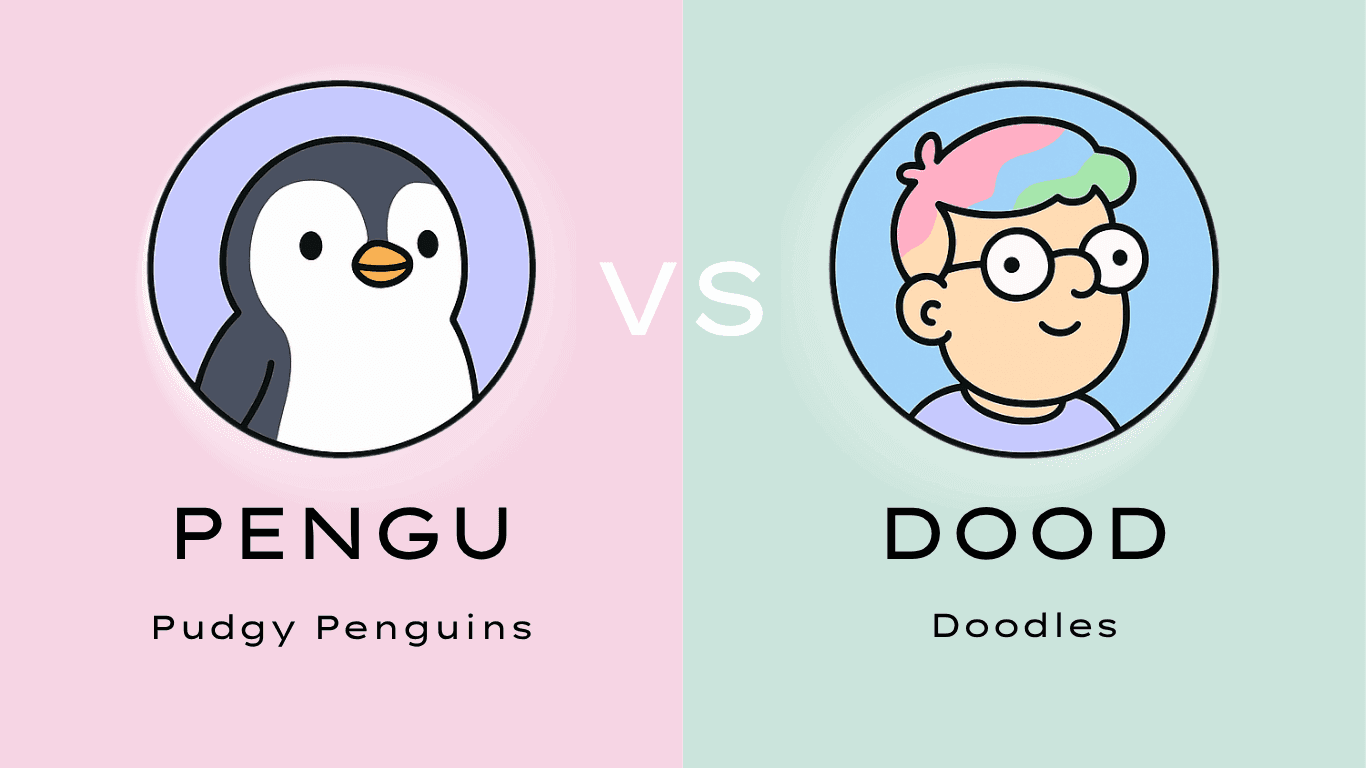
PENGU vs. DOOD: Which Token is Winning the NFT Race?
What are the key differences between PENGU and DOOD tokens as Pudgy Penguins and Doodles expand their NFT ecosystems? Explore both tokens and decide which NFT project will lead the way in 2025.
March 13, 2025 11:00 PM
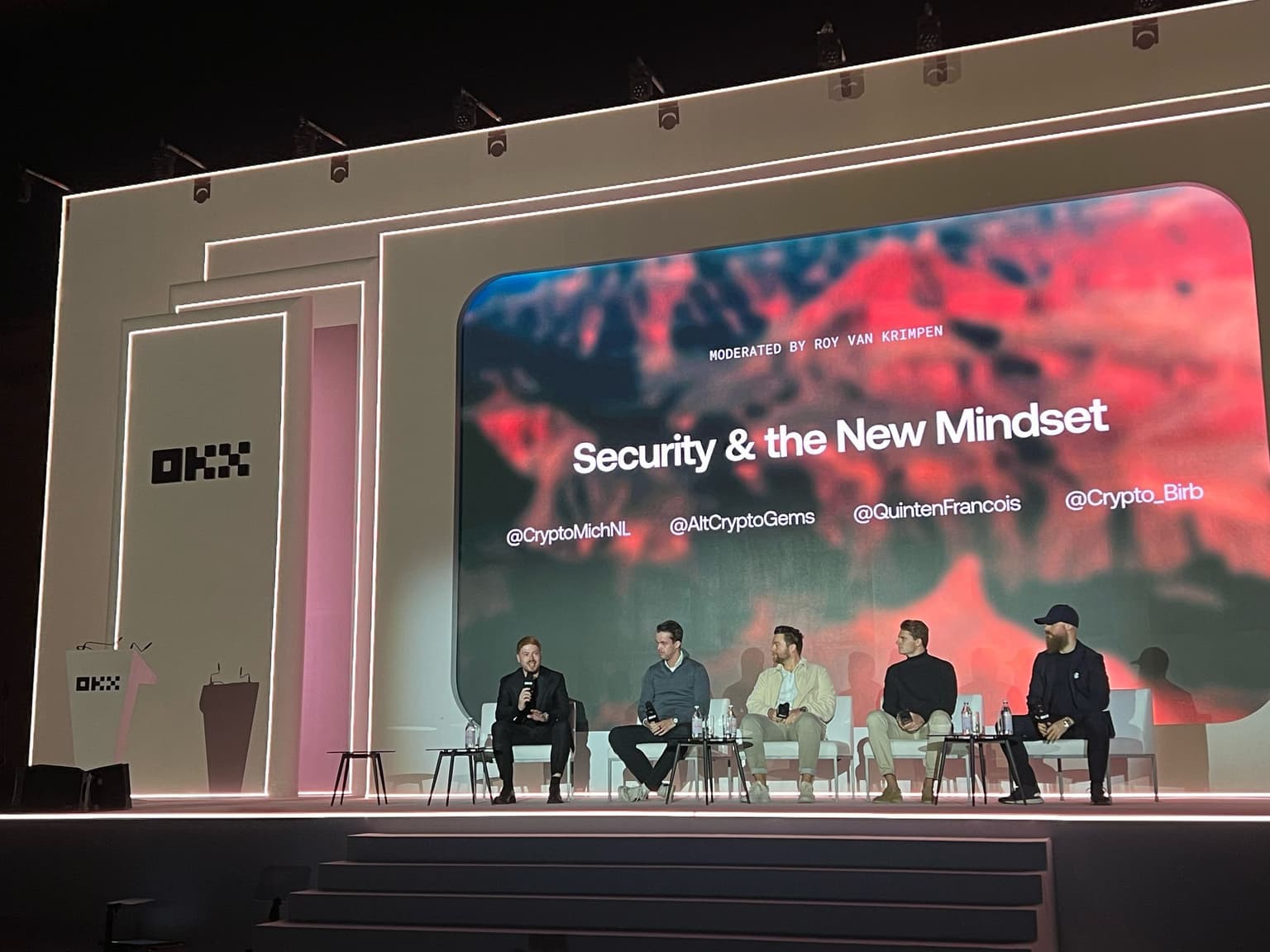
OKX Event in Malta: A New Contender for Crypto in Europe
OKX celebrated a major milestone at Fort Manoel in Malta, announcing its full MiCA and MIFID2 licenses and plans to expand compliant crypto trading across Europe.
July 3, 2024 3:30 AM
TOP 5 Solana Airdrops for July 2024
From staking protocols to decentralized exchanges, there's something for every crypto enthusiast. So here are the top 5 Solana airdrops for July 2024 and how you can participate to earn free tokens.

More from CryptoTicker